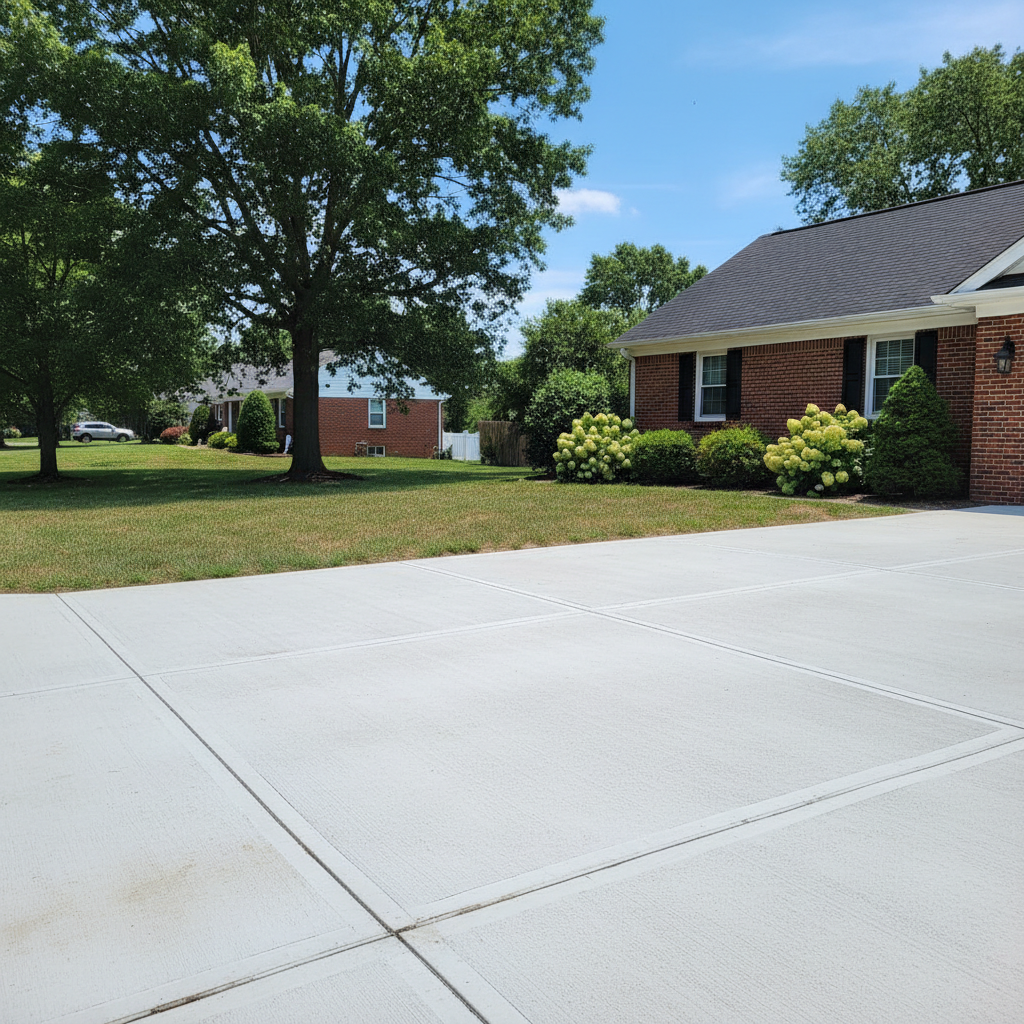
You just had your concrete repaired, whether it was a driveway, a patio, or a foundation patch. Good job taking care of your property! But that repair isn't a 'set it and forget it' kind of deal. If you want that work to last, especially with the crazy weather we get here in Toms River, you've got to do a little bit of maintenance. Trust me, a little effort now saves you a lot of headache and money down the road.
Extend the Life of Your Concrete Repairs
The biggest thing you can do to make a repair last is to protect it from water and freeze-thaw cycles. We see it all the time around here – a warm day, then a cold snap, and water that seeped into cracks expands when it freezes, making things worse. That's why sealing is so important.
- Seal it up: After any repair, especially for driveways or walkways, you should apply a good quality concrete sealer. I usually recommend waiting about 30 days after a repair for the concrete to fully cure, then get that sealer on there. It creates a barrier that repels water, salt, oil, and other stuff that can break down concrete. You'll want to reapply it every 2-3 years, depending on the product and how much traffic it gets.
- Proper drainage: Make sure water isn't pooling on or near your concrete. If you've got downspouts dumping right onto your driveway or patio, extend them. If you see puddles forming after it rains, that's a problem. Water sitting on concrete, especially repaired areas, will find its way in and start causing trouble.
- Avoid heavy loads too soon: If it's a new repair, give it time to cure fully before parking heavy vehicles on it or putting a ton of weight on it. Your contractor should tell you the specific timeframe, but generally, patience pays off.
Regular Maintenance: What to Look For
Keeping an eye on your concrete isn't hard, and it can save you from bigger repairs later. Think of it like checking your car's oil.
- Clean it regularly: Sweep off dirt, leaves, and debris. Pressure wash it once a year if you can, but be careful with the pressure setting, especially on older or newly repaired concrete. You don't want to blast away the surface.
- Deal with spills immediately: Oil, grease, chemicals – these can stain and even degrade concrete over time. Clean them up as soon as they happen.
- Watch for vegetation: Weeds and grass growing in cracks might look harmless, but their roots can widen those cracks and lift sections of concrete. Pull them out, or use a weed killer.
- Winter care: This is huge for us here. Avoid using de-icing salts that contain ammonium sulfate or ammonium nitrate. These can really damage concrete. Calcium chloride or magnesium chloride are generally safer options, but use them sparingly. Better yet, just shovel promptly and use sand for traction.
Warning Signs of Trouble
You're not a concrete expert, but you can spot when something's not right. These are the red flags that tell you a problem might be brewing:
- New cracks forming: Especially if they're widening or getting longer. Hairline cracks are often normal, but anything bigger than a credit card's edge needs attention.
- Spalling or flaking: This is when the surface of the concrete starts to chip, peel, or pit. It often happens from freeze-thaw cycles and can indicate water penetration.
- Uneven surfaces or sinking sections: If one part of your driveway or patio is noticeably lower than another, or if you see trip hazards developing, that's a structural issue.
- Efflorescence: That white, powdery substance on the surface? It's mineral salts leaching out with water. It means water is moving through your concrete, which isn't ideal.
- Pitting: Small, shallow holes that appear on the surface. Often caused by de-icing salts or poor quality concrete.
When to Call a Professional
Look, you can handle a lot of the basic stuff, but some problems are just too big or complex for a DIY fix. If you see any of those major warning signs I just mentioned – significant cracking, sinking, or widespread spalling – it's time to call in the pros. Trying to patch a structural problem yourself is usually a waste of time and money, and it might even make the eventual repair harder or more expensive.
We're Ocean Concrete Construction, and we've been working with concrete all over Toms River, from the newer developments near the Parkway to the older homes closer to the bay, for years. We know what our local climate does to concrete, and we know how to fix it right. Don't let a small issue turn into a huge headache. Give us a call if you're unsure, and we can take a look. It's always better to catch these things early.